A roof is built to protect your home every day, but it does not stay strong forever. Rain, sunlight, storms, wind, and changing temperatures slowly wear roofing materials down over time. Some roofs last for decades with very few problems, while others may need replacement much sooner.
Many homeowners only think about their roof when a leak appears. By that time, the damage may already be serious. Understanding how long a roof usually lasts can help you plan ahead, avoid expensive surprises, and protect your home before major problems begin.
The lifespan of a roof depends on many things, including the type of material, weather conditions, installation quality, ventilation, and maintenance. In this guide, we will break everything down in simple language so homeowners can easily understand what affects roof lifespan and when it may be time for a replacement.
Why Roof Lifespan Matters
Your roof does much more than cover your house. It protects your walls, attic, insulation, electrical systems, and belongings from water and outside weather.
When a roof becomes too old or damaged, problems can spread quickly throughout the home. A failing roof can lead to:
- Water leaks
- Mold growth
- Wood rot
- Insulation damage
- Higher energy bills
- Structural issues
Knowing the expected lifespan of your roof helps you prepare financially and avoid emergency repairs.
Average Roof Lifespan by Material
Not all roofs are made from the same materials. Some are designed for affordability, while others are built to last for generations.
Here is a closer look at the lifespan of common roofing materials.
Asphalt Shingle Roofs
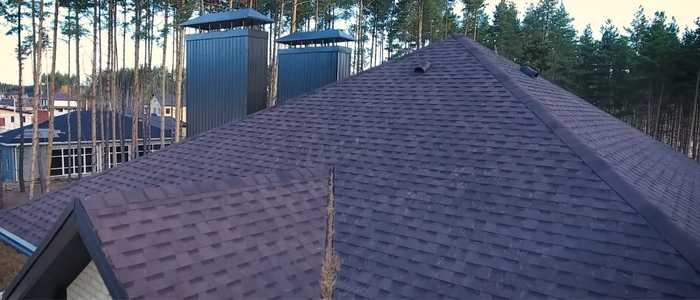
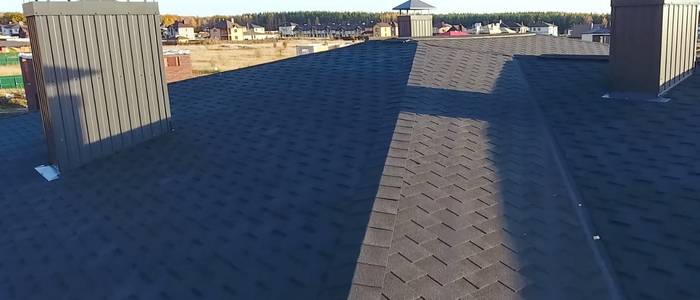
Asphalt shingles are one of the most popular roofing materials because they are affordable and widely available.
Typical Lifespan:
- Around 20 to 30 years
There are different types of asphalt shingles:
3-Tab Shingles
These are basic shingles that usually last closer to 20 years.
Architectural Shingles
These are thicker, stronger, and often last longer than standard shingles.
Premium Shingles
Higher-quality asphalt shingles may last close to 30 years with proper care.
What Reduces Asphalt Roof Lifespan?
- Extreme heat
- Strong storms
- Poor attic ventilation
- Lack of maintenance
- Improper installation
Asphalt roofs are durable, but they naturally wear down over time due to weather exposure.
Metal Roofs
Metal roofs are becoming more popular because they are strong, energy-efficient, and long-lasting.
Typical Lifespan:
- Around 40 to 70 years
Metal roofing performs well in many weather conditions and can resist:
- Heavy rain
- Strong wind
- Fire
- Insects
- Rot
Some premium metal roofs can even last longer with good maintenance.
Common Metal Roofing Types
- Steel
- Aluminum
- Copper
- Zinc
Copper roofs are especially known for their extremely long lifespan.
Tile Roofs
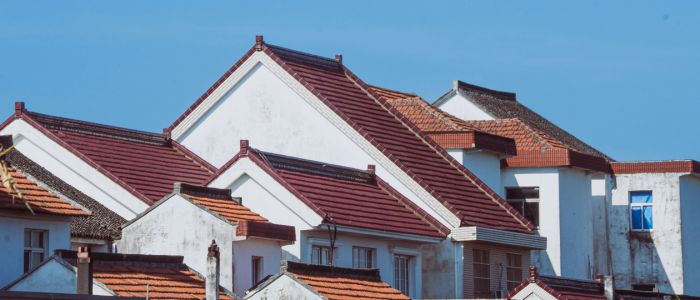
Tile roofs are common in warmer regions because they handle heat very well.
Typical Lifespan:
- Around 50 to 100 years
Tile roofs are usually made from:
- Clay
- Concrete
They are highly resistant to:
- Fire
- Sun damage
- Insects
- Rot
However, individual tiles can crack if heavy objects fall onto the roof.
Slate Roofs
Slate roofing is one of the strongest roofing options available.
Typical Lifespan:
- Around 75 to 150 years
Slate is natural stone, which makes it extremely durable. Many old historic buildings still have their original slate roofs after decades.
Slate roofs are:
- Fire-resistant
- Weather-resistant
- Long-lasting
However, slate roofs are expensive and very heavy.
Wood Shingles and Shakes
Wood roofs provide a natural and traditional appearance.
Typical Lifespan:
- Around 20 to 40 years
Wood roofs require regular care because moisture can cause:
- Rot
- Mold
- Insect damage
Proper maintenance is important to help wood roofing last longer.
Flat Roofs
Flat roofs are commonly used on commercial buildings and modern homes.
Typical Lifespan:
- Around 15 to 30 years
Flat roof lifespan depends heavily on drainage and maintenance. Common flat roofing materials include:
- EPDM rubber roofing
- TPO roofing
- PVC roofing
- Modified bitumen
Standing water is one of the biggest threats to flat roofs.
What Can Shorten a Roof’s Life?
Even expensive roofing materials can fail early if the roof is not properly maintained. Several things affect how long a roof lasts.
Severe Weather
Weather plays a major role in roof damage. Roofs face constant exposure to:
- Heavy rain
- Strong wind
- Hail
- Snow
- Heat
- UV rays
Homes located in storm-prone areas usually experience faster roof wear.
Poor Installation
A roof is only as good as the installation work. Poor installation can lead to:
- Leaks
- Loose shingles
- Flashing problems
- Weak roof structure
- Poor ventilation
Even the best roofing materials may fail early if installed incorrectly.
Lack of Maintenance
Ignoring small roofing issues often leads to larger damage later. Simple maintenance can make a huge difference. Important roof maintenance tasks include:
- Cleaning gutters
- Removing debris
- Repairing leaks quickly
- Inspecting shingles
- Trimming nearby trees
Regular care helps roofs last longer and perform better.
Poor Attic Ventilation
Many homeowners do not realize attic ventilation affects roof lifespan. Poor ventilation traps:
- Heat
- Moisture
This can cause:
- Mold growth
- Shingle damage
- Higher energy bills
- Wood rot
Proper ventilation improves airflow and protects roofing materials.
Sunlight and Heat
Constant sun exposure slowly breaks down roofing materials over time. UV rays can:
- Dry out shingles
- Cause cracking
- Fade roof color
- Weaken roofing surfaces
Hot climates often cause roofs to age faster.
Signs Your Roof May Be Near the End
Even if your roof has not reached its expected age, warning signs may show that replacement is needed sooner.
Roof Leaks
Leaks are one of the clearest signs of roof trouble. Watch for:
- Water stains on ceilings
- Dripping water
- Wet attic insulation
- Mold smells
Repeated leaks often mean the roof system is wearing out.
Missing Shingles
Strong wind and storms can remove shingles from the roof. Missing shingles expose the roof underneath to water damage. Even a few missing shingles should be repaired quickly.
Curling or Cracked Shingles
Old shingles often begin curling, cracking, or becoming brittle. This means the shingles are losing their ability to protect the roof properly.
Sagging Roof Sections
A sagging roof may indicate serious structural problems underneath. This can happen because of:
- Water damage
- Rotting wood
- Weak roof decking
Sagging areas should always be inspected immediately.
Granules in Gutters
Asphalt shingles contain protective granules. If large amounts of granules collect in gutters, the shingles may be reaching the end of their lifespan.
Higher Utility Bills
Old roofs may reduce energy efficiency. Poor insulation and ventilation can increase:
- Heating costs
- Cooling costs
A newer roof can improve indoor comfort and lower energy bills.
Schedule Roof Inspections
Professional roof inspections help detect small problems before they become expensive repairs. Most experts recommend inspections:
- Twice a year
- After severe storms
Keep Gutters Clean
Clogged gutters trap water and increase moisture problems. Regular gutter cleaning helps protect the roof and foundation.
Remove Debris Quickly
Leaves and branches hold moisture on the roof surface. Keeping the roof clean reduces mold and rot risks.
Repair Damage Early
Small roofing issues become worse over time. Fast repairs help prevent:
- Leaks
- Structural damage
- Mold growth
Trim Nearby Trees
Overhanging tree branches can damage shingles during storms. Tree maintenance reduces the risk of roof impact damage.
Repair or Replace: Which Is Better?
Sometimes repairs are enough. Other times, replacement is the smarter long-term solution.
Repairs May Be Enough If:
- Damage is minor
- Roof is still fairly new
- Problems are limited to one area
Replacement May Be Better If:
- Roof is very old
- Leaks continue happening
- Damage is widespread
- Repair costs keep increasing
A roofing professional can help determine the best option.
Frequently Asked Questions
How long does an asphalt shingle roof last?
Most asphalt shingle roofs last between 20 and 30 years. The lifespan depends on weather conditions, roof ventilation, maintenance, and installation quality. Regular inspections and quick repairs can help extend the roof’s durability and prevent serious damage over time.
What are the signs that a roof needs replacement?
Common signs include roof leaks, missing shingles, sagging areas, cracked shingles, mold growth, and rising energy bills. If repairs become frequent or the roof is very old, replacement may be the best long-term solution for protecting your home.
Does weather affect roof lifespan?
Yes, severe weather can shorten a roof’s lifespan. Heavy rain, strong wind, hail, snow, and constant sunlight slowly damage roofing materials over time. Homes located in areas with frequent storms often need roof repairs or replacement sooner than expected.
Can regular maintenance make a roof last longer?
Regular roof maintenance helps prevent serious damage and extends roof lifespan. Cleaning gutters, removing debris, checking for leaks, and scheduling professional inspections can protect roofing materials and reduce expensive repair costs in the future.
Final Thoughts
So, how long does a roof last? The answer depends on the roofing material, weather conditions, maintenance, and installation quality. Some roofs last only 20 years, while others can protect a home for over 100 years.
Regular inspections, proper maintenance, and quick repairs help extend roof lifespan and reduce expensive damage. But eventually, every roof reaches the end of its useful life.
If you notice warning signs like leaks, missing shingles, sagging areas, or rising energy bills, it may be time to speak with a roofing professional. Replacing an aging roof at the right time helps protect your home, improve energy efficiency, and give you peace of mind for many years ahead.